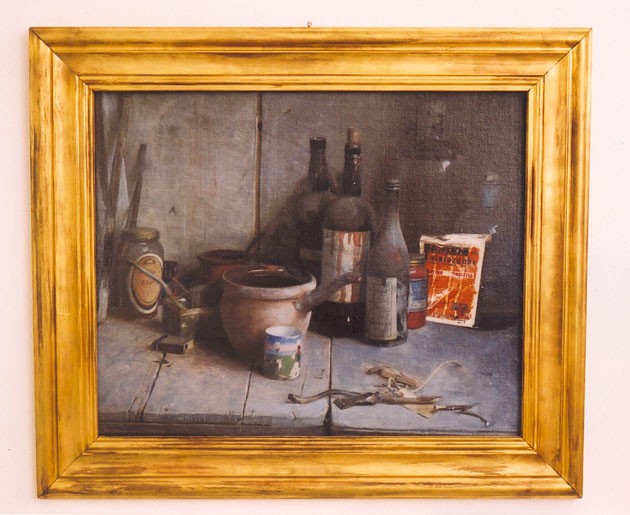
The Painting, The Dusty Shelf by Willem Hermanus Coetzer (1940) is part of the permanent collection of South African art at the Johannesburg Art Gallery (JAG). It is a still life painting, in the Dutch Still Life tradition, although unlike the abundance often represented in those visual fables, Coetzer has painted the banal contents of a humble shed. The Dusty Shelf represents a way of thinking about art production as well as what is considered historically valuable and worth preserving within the context of a South African art museum.
In The Dusty Shelf, After Willem Hermanus Coetzer, I created a digital copy of the original work (to scale, and with permission from the JAG). In my reproduction, I inserted a representation of a packet of Bulalazonke Poison, bought from street vendors, selling their wares outside the gallery, amongst the items on the shelf, before printing the work on to canvas. My choice to purchase an object from the street vendors to add to the original still life was significant in multiple ways. First, in 1940’s South Africa, on the verge of Apartheid, Black people, who constitute most street vendors, were not permitted in to the Johannesburg – inserting their goods into the painting was a symbolic gesture towards inclusivity, that highlighted the historical racist exclusion. Second, my use of an object from the street vendors linked this artwork to my broader art practice, which focussed on exploring the changing value of things, and the ways in which the museum changes the value of objects in its collection. I was interested in how, as Danto (1978) pointed out, once items from everyday life become part of art, their meaning and value is different from items that look just like them yet remain in everyday circulation.
Additionally, I was interested in what the kinds of products street vendors reveal about what the needs of people who move through the city are. Since 1994, JHB street vendors continue to sell many kinds of mice, rat and insect poisons, frequently in unmarked packets: a dangerous sign of the lack of infrastructure and hygiene services available to most people in South Africa, who have to manage pests themselves. In 2024, Twenty years after I made this work, it acquired an additional layer of meaning, as several school children in and around JHB, were killed from eating sweets that had been exposed to poisons, that the kids bought from informal traders.
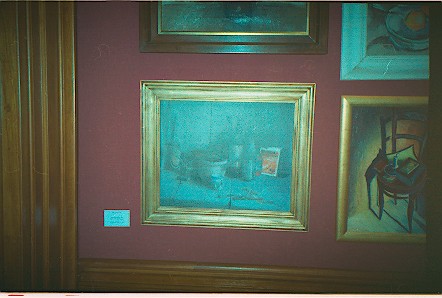
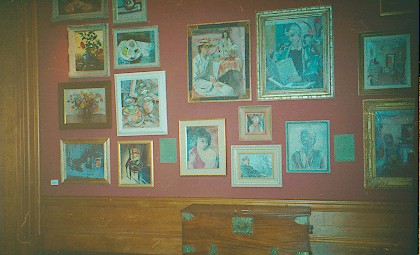
My ‘dusty shelf’ was exhibited, in place of the original, as part of the “Inhabited Territories Exhibition” (2003-2004) held at JAG, wherein artists were invited to consider the relationship between the art gallery and its urban surroundings. By appropriating an historical image and making it relevant to the contemporary urban culture that surrounds the art gallery through inserting an object bought from hawkers who trade outside the Johannesburg Art Gallery I questioned the relevance of the works in the collection to the community around the gallery and the people of the city.